





Media Library
Documentary, graphic and/or audiovisual knowledge objects are offered here, offering information on various sectors and topics. Use the keyword search or search filters to access current audiovisual and documentary knowledge objects useful for your implementation.
If you have any questions or suggestions, please contact us here.
Destacados
Pairing Andalusian Cheeses and Sweet Wines: Consumer Preferences
Improving marketing is one of the future challenges for processed foods, with potential for joint marketing with other agricultural products. The objective of this study was to evaluate Andalusian consumer preferences for different cheese and sweet wine pairings.
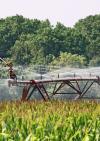
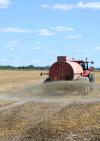
Effects of the application of olive mill effluents on agricultural soils
The extraction of olive oil by physical methods produces large quantities of olive and oil washing water. This water is stored in large ponds for evaporation, and is not reused. In this regard, a study was conducted on the agricultural, environmental, and business benefits and limitations of its use as irrigation in olive groves and on calm soil.
Integrated Management Guide for Stone Fruit Diseases
The purpose of this teaching material, "Diseases of stone fruit trees and their management in integrated production," is to assist and guide farmers and advisors in implementing the principles of integrated disease management following the National Action Plan for the Sustainable Use of Phytosanitary Products, and to complement the integrated pest management guide for stone fruit tree
Guide to ground cover in almond trees
Living vegetation cover is considered the most appropriate soil management system, except in cases where adequate control is not possible.
Chestnut wasp (Dryocosmus kuriphlilus) in Andalusia
The chestnut wasp (Dryocosmus kuriphilus) is a major pest of chestnut crops, seriously compromising their profitability. This document provides information on its distribution, biology, damage it causes, and existing control measures.
Native Parasitoids of the Chestnut Wasp in Andalusia
The chestnut gall wasp (Dryocosmus kuriphilus) is a major pest of chestnut crops, seriously compromising their profitability. This document, in addition to describing the main characteristics of these gall wasps, provides information on the control of the chestnut gall wasp pest by native parasitoids.
Sustainable Systems in Olive Groves. Operation 10.1.7
The agri-environmental aid linked to olive groves is known as Operation 10.1.7. Sustainable Olive Systems. This support measure for this sector is part of the 2014-2020 Community Strategic Framework (CSF) of the Andalusian Rural Development Programme (RDPA), specifically Measure 10: Agri-Environment and Climate.
Determination of the Quality of Citrus Fruits in the Laboratory
Product quality and consumer satisfaction are priority elements for citrus growers. Therefore, this paper presents the parameters that define the morphological and organoleptic quality of citrus fruits. It also briefly describes the procedures for determining these quality parameters, which ensure compliance with regulations.
Integrated Management of Mango White Scale
The white mealybug (Aulacaspis tubercularis) is the most important pest of mangoes in southern Spain and one of the most damaging worldwide. The basis for its integrated management is proposed here. A description of the pest is provided, along with data on its biology, symptoms, and damage.
Torymus sinensis. Exotic parasitoid of the chestnut wasp.
The chestnut wasp (Dryocosmus kuriphilus) is a major pest of chestnut crops, seriously compromising their profitability.
Olive growers' preferences regarding agro-environmental programs.
There is a need for analysis to support decision-making regarding agri-environmental policy. This study analyzes the preferences of Andalusian olive growers regarding this policy, particularly regarding the adoption of ecological focus areas (EFAs) and agri-environmental practices. The results show that these preferences vary depending on the olive grove system.
Irrigation of olive trees with water infested by Verticillium dahliae.
Factors such as the type and concentration of inoculum of the defoliating pathotype of Verticillium dahliae in irrigation, root wounding of the olive tree, and the number of irrigation campaigns are considered for their effects on Verticillium wilt in the cultivar 'Picual' and the density of residual inoculum of the fungus in the soil.
Foliar Application of Wine By-Product Extracts on Grapes Grown in Warm Climates: Initial Results
Today, the demands of the agricultural sector are directed toward the search for non-toxic, natural, and useful active substances for the protection or stimulation of crops grown under unfavorable conditions, such as those found in warm climates. Spain leads the world in terms of cultivated vineyards.
New Citrus Pests
Today, there are still species of arthropods that behave as significant pests for citrus fruits in other regions of the world, yet are not present in our growing area.
Scirtothrips aurantii in citrus in Andalusia: Recognition, biology, management and control strategies
This material has been developed to provide a detailed overview of the pest Scirtothrips aurantii. It includes aspects such as its geographic distribution, life cycle, detection and monitoring methods, and current integrated management strategies.
Knowledge, Consumption and Consumer Preferences towards Certified Quality Olive Oils
This paper analyzes the demand for certified quality olive oils in Andalusia, focusing on different Certified Quality Systems available to Andalusian consumers: integrated production, organic farming, carbon footprint, fair price, ISO 9001, ISO 14001, Globalgap, among others.
Knowledge transfer network for the digital transformation of olive groves in Andalusia
This study analyzes the knowledge transfer network for the digital transformation of the Andalusian olive sector, using the Social Network Analysis (SNA) methodology.
Training Manual: Olive Pruning
This manual, dedicated to olive pruning, addresses aspects related to this olive cultivation technique with the aim of training olive growers in the decision-making necessary to achieve optimal management of this practice. Table of Contents: Unit 1: General Aspects of Olive Pruning; Unit 2: Olive Grove Bush Pruning; Unit 3: Olive Grove Hedge Pruning.
Olive Tree Pruning: Production Pruning
This document describes and sets forth a series of recommendations on olive grove pruning practices to be carried out once the plantation has reached the productive period.
Guide to the Super-Intensive Citrus Farming System
This document presents a new model of citrus cultivation system called Superintensive, i.e., high-density plantations with trees of reduced vigor with approximately 2,200 plants/hectare, narrower planting frames and hedge formation through the use of mechanized pruning, aimed at mechanized harvesting with riding equipment that shakes foliage, like a grape harvester.